
What is the Indian Style in Art Deco Jewellery?
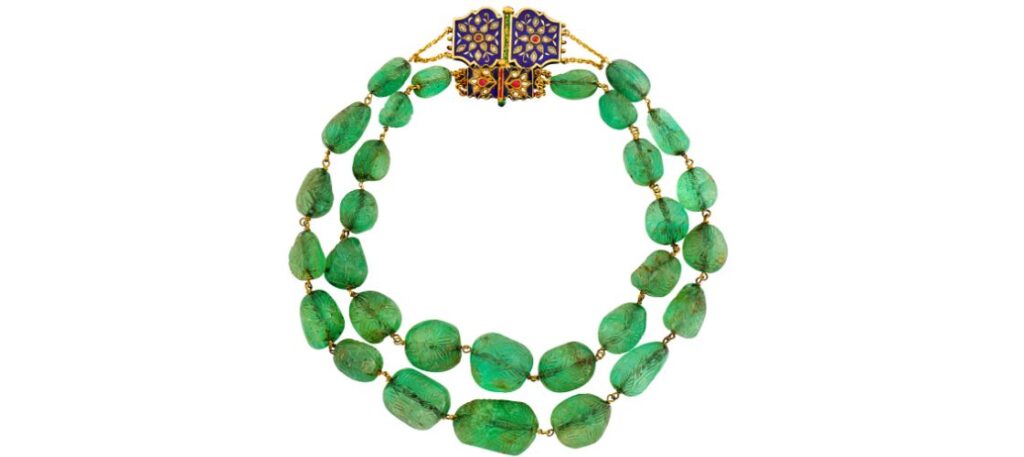
From beautiful carved gemstones to cultural inspirations, the Indian style in Art Deco jewellery reflects a fascination with global cultures during the 1920s and 1930s. Here, Sarah Duncan, head of the jewellery department at London-based Chiswick Auctions, offers a beginner’s guide to the Indian style in Art Deco jewels, presenting some helpful insights for anyone […]
The Unusual History of Caesar’s Ruby
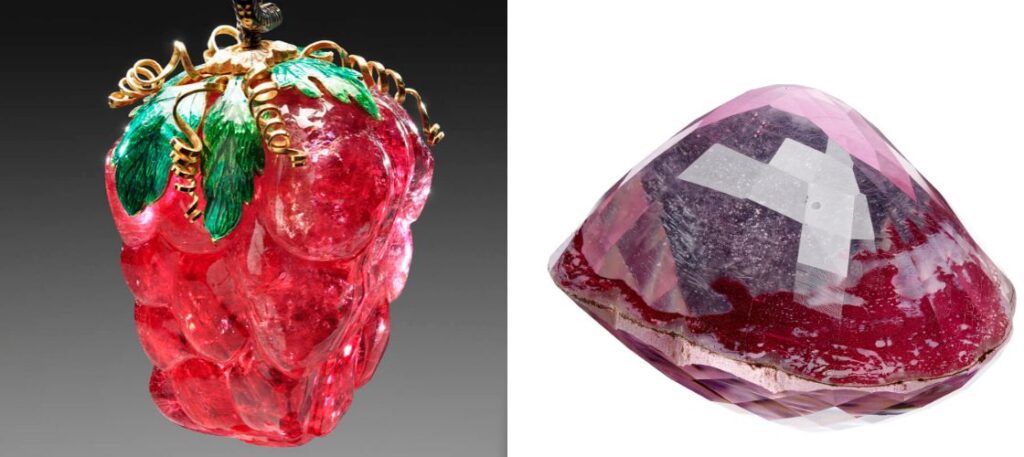
Gem-A Member Jan Asplund FGA DGA explores the fascinating history of ‘Caesar’s Ruby’ – a 255.75ct gemstone that has been regarded for centuries and traded among French, Russia and Sweden since the late 16th century. Caesar’s Ruby is a piece of jewellery well known to anyone with a special interest in the history of the […]
The Fascinating History of Antique Turquoise Jewellery
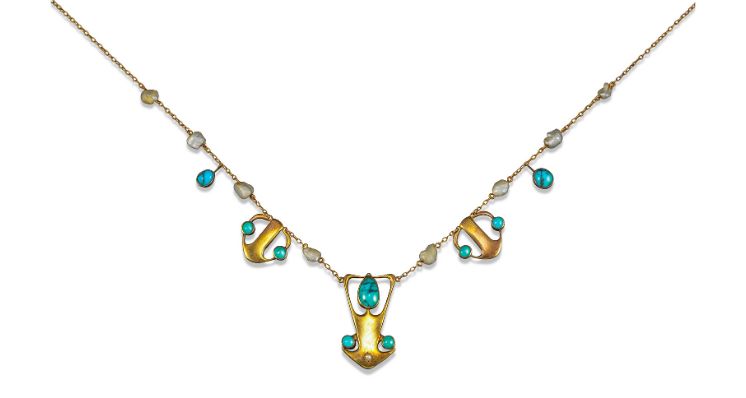
In his third Gemstone Conversations column for Gems&Jewellery, Jewellery Historian and Valuer John Benjamin FGA DGA FIRV explores the fascinating history of turquoise and its use in jewellery design from the Shahs of Persia to the Art Deco design movement. Obsolete and largely forgotten jewellery books are a rare and desirable resource for jewellery historians since they […]
Top 5 Most Famous Diamonds for Gemmologists
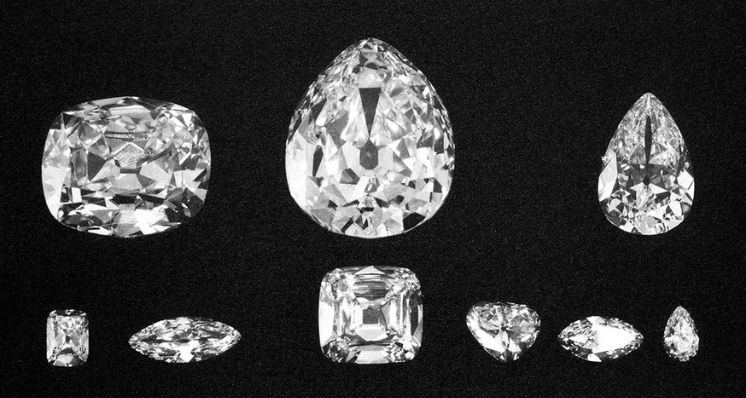
Although all diamonds are special, there are some that are historically significant, spectacularly large and hugely important for gemmological research. Here, Rona Bierrum FGA DGA EG pinpoints the five diamonds that stand out from the crowd for gemmologists the world over. Type into any internet search device ‘Famous Diamonds’, and a litany of posts will appear, each […]
Getting Started with Quartz Inclusions

Do you know your calcite inclusions from your dumortierite, epidote, fluorite and rutile? Here, Charles Bexfield FGA DGA EG explores some incredible quartz inclusions and explains what to look for when shopping for quartz specimens. Silicon is the second most abundant chemical element in the earth’s crust after oxygen. The two elements combine to create […]
Understanding Iridescence in Gemstones

Iridescence has to be one of the most mesmerising and magical optical effects seen in gemstones. But have you ever wondered how it occurs? Gem-A’s Collection Curator Barbara Kolator FGA DGA shines a light on this fascinating optical effect and tells us about the gems that are most likely to display it. What is Iridescence? […]
Hidden Treasures: Highlights of Gem-A’s Gemstones and Minerals Collection

Locked away in the vaults of Gem-A HQ in London is an assortment of breath-taking treasures that form Gem-A’s Gemstones and Minerals Collection. Here, Gem-A Gemmology Tutor, Pat Daly FGA, offers us a glimpse at some of the more unusual items in the collection. Decades of collecting, bequests and acquisitions have led to the creation […]
Understanding the Cat’s Eye Effect in Gemstones
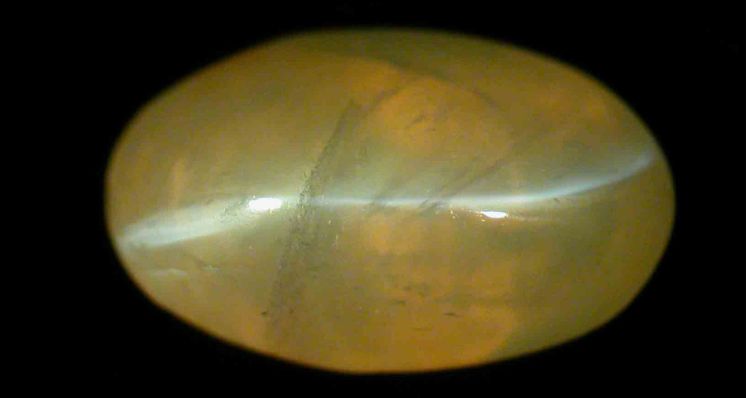
Chatoyancy is the gemmological name given to the curious optical effect in which a band of light is reflected in certain cabochon-cut gemstones, creating an appearance similar to light bouncing off a cat’s eye. Gem-A’s Collection Curator, Barbara Kolator FGA DGA explains chatoyancy and highlights some of the many gems in which it can occur. […]
Understanding Jade and its Importance in China
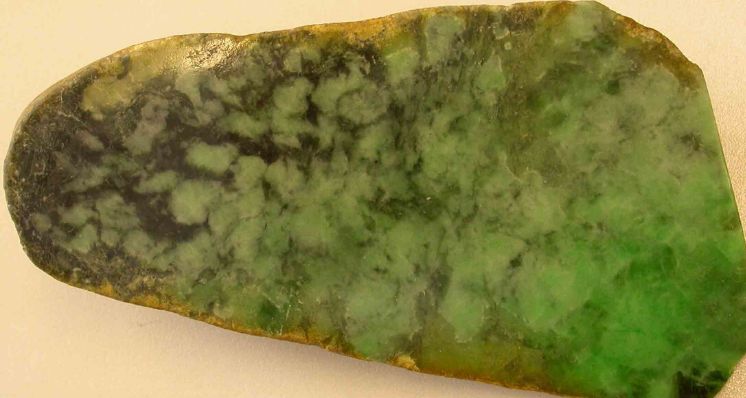
One of the oldest loved gems in the world, jade has long been revered by gem lovers internationally, but nowhere more so than in China. But what is it that makes this gemstone so special? Gem-A’s Assistant Gemmology Tutor Dr Juliette Hibou FGA gives us an overview of jade, how to identify it and its […]
Why Are Some Gemstones Associated with Bad Luck?
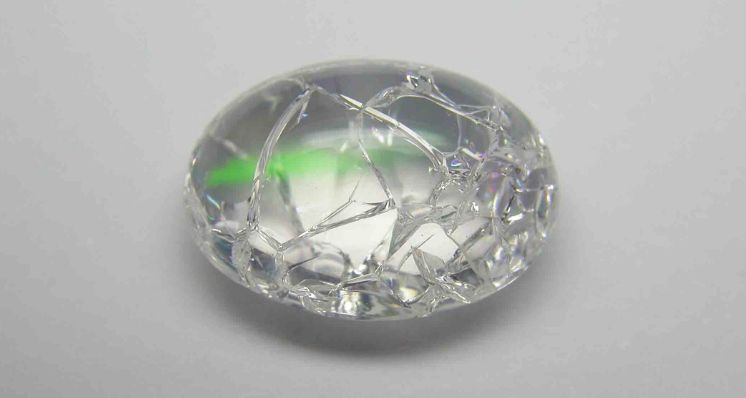
With Halloween looming around the corner, there surely couldn’t be a better occasion to discuss the mysterious stories surrounding gemstones which, allegedly, bring bad luck. Here, Lily Faber FGA DGA EG delves into the superstitions surrounding three infamous gemstones. When gemstones are used or appreciated for their mystical properties, it is generally for their positivity […]